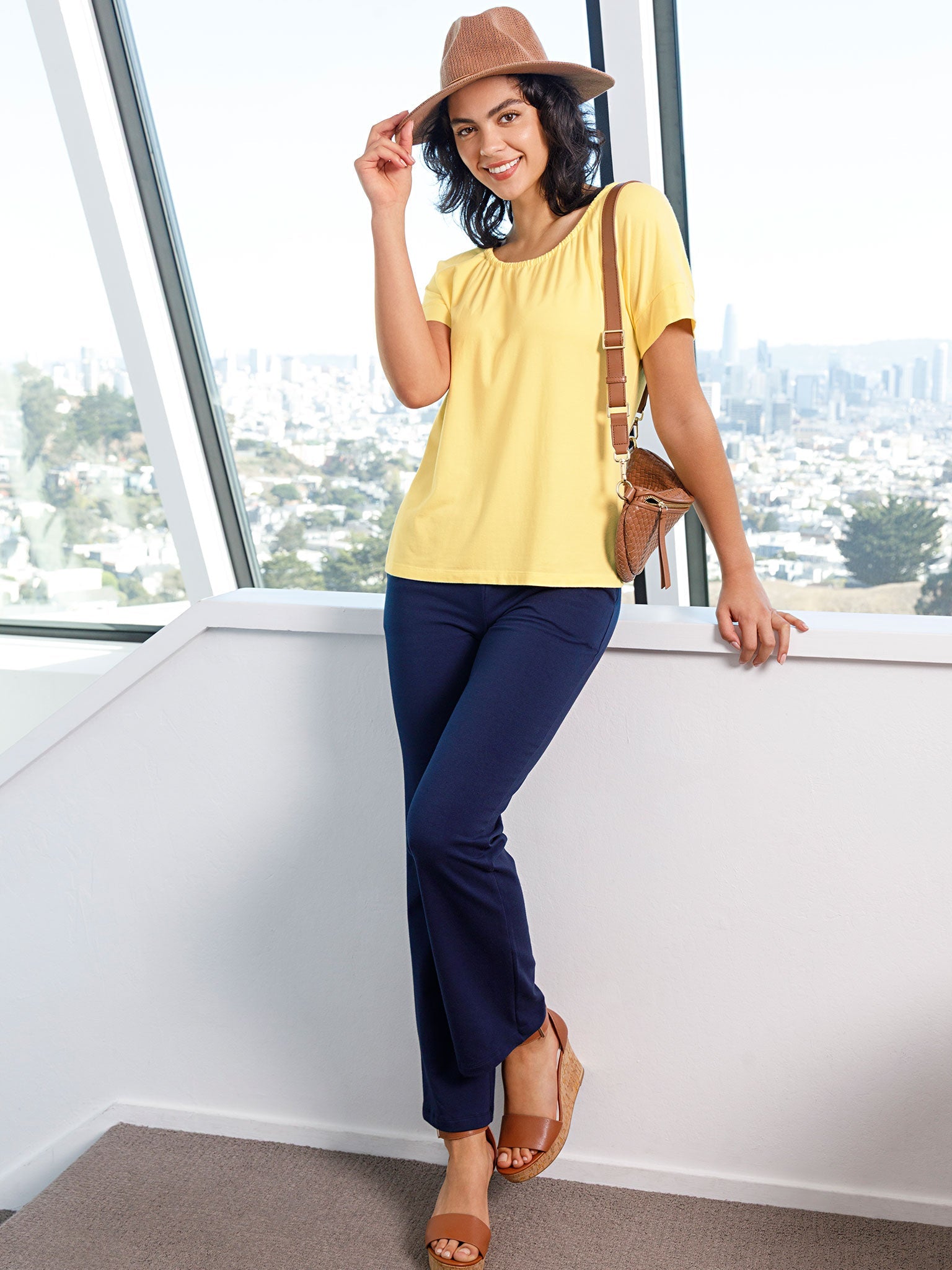

Slow Fashion Explained: Why Buying Less Clothing Is Better for the Planet
We all know that fashion trends change overnight and new styles are constantly hitting the shelves. It’s easy to fall into the habit of buying more clothing than we actually need. But behind this convenience lies a growing environmental problem.
That’s where the sustainable fashion movement comes in—encouraging a shift away from overconsumption and toward more thoughtful choices. At the heart of this shift is the concept of slow fashion.
So what exactly is slow fashion vs fast fashion, and why does buying less clothing matter?
What Is Fast Fashion?
Fast fashion refers to the mass production of inexpensive clothing designed to keep up with rapidly changing trends. Brands produce large volumes of garments quickly and cheaply, often sacrificing quality and ethical standards in the process.
While fast fashion makes it easy to stay “on trend,” it comes at a cost. These garments are typically made from low-quality materials and are not designed to last. As a result, they’re often discarded after just a few wears.
This cycle contributes to massive textile waste, increased pollution, and high resource consumption—key issues driving the sustainable fashion movement.
What Is Slow Fashion?
Slow fashion is the opposite approach. Instead of prioritizing speed and quantity, it focuses on quality, longevity, and mindful production.
The idea is simple: buy fewer pieces, choose better materials, and invest in clothing that lasts. Slow fashion also emphasizes ethical clothing, meaning garments are made with respect for both people and the planet.
This includes fair wages, safe working conditions, and environmentally responsible practices.
Slow Fashion vs Fast Fashion: Key Differences
Understanding slow fashion vs fast fashion comes down to a few core principles:
-
Quality vs Quantity: Slow fashion prioritizes durable, well-made garments. Fast fashion focuses on producing as many items as possible at the lowest cost.
-
Timeless vs Trend-Driven: Slow fashion embraces classic, versatile designs that don’t go out of style. Fast fashion revolves around short-lived trends.
-
Sustainability vs Waste: Slow fashion reduces environmental impact through thoughtful production. Fast fashion contributes significantly to pollution and landfill waste.
-
Ethical vs Exploitative: Slow fashion supports fair labor practices, while fast fashion often relies on underpaid labor in unsafe conditions.
Why Buying Less Is Better for the Planet
One of the most powerful aspects of slow fashion is its simplicity: buying less.
Every piece of clothing requires resources—water, energy, raw materials—to produce. When we reduce the number of items we purchase, we directly lower our environmental footprint.
Fewer purchases also mean less waste. Instead of discarding worn-out or trend-driven pieces, slow fashion encourages you to build a wardrobe that lasts for years.
This shift doesn’t just benefit the environment—it also leads to more intentional, satisfying personal style.
Building a Better Wardrobe
Adopting slow fashion doesn’t mean giving up style—it means redefining it.
Start by focusing on versatile, high-quality essentials that can be mixed and matched. Look for pieces made from natural or sustainable materials, and prioritize craftsmanship over quantity.
If you’re not sure where to begin, this guide on building a comfortable, sustainable wardrobe for 2026 offers practical tips for creating a closet that aligns with your values.
You can also explore emerging styles in this roundup of top trends in sustainable and organic women’s clothing, proving that sustainability and style can go hand in hand.
The Benefits Go Beyond Sustainability
Choosing slow fashion isn’t just about reducing environmental harm—it also improves your overall relationship with clothing.
When you invest in fewer, better pieces:
-
You spend less time dealing with clutter
-
Your wardrobe becomes more cohesive and functional
-
You enjoy higher comfort and quality
-
You make more confident, intentional style choices
In many ways, slow fashion is about simplifying your life while aligning your purchases with your values.
Supporting Ethical Clothing Brands
Another important part of the slow fashion movement is supporting brands that prioritize transparency and responsibility.
When you choose ethical clothing, you’re supporting companies that care about how their products are made—from sourcing materials to treating workers fairly.
Brands like Blue Canoe are committed to creating comfortable, sustainable garments made from organic materials and produced with thoughtful practices. By supporting brands like these, you help drive positive change across the fashion industry.
Small Changes, Lasting Impact
You don’t have to overhaul your wardrobe overnight to embrace slow fashion. Start small:
-
Buy fewer items, but choose higher quality
-
Repair or repurpose clothing instead of discarding it
-
Choose timeless styles over fleeting trends
-
Support brands that align with your values
Let Blue Canoe Help You Build A Wardrobe That Lasts
The difference between slow fashion and fast fashion isn’t just about clothing—it’s about mindset.
By choosing to buy less and invest in better, you’re contributing to a more sustainable future while creating a wardrobe that truly works for you.
Ready to embrace a more mindful way of dressing? Explore Blue Canoe’s collection of timeless, ethically made essentials and take a step toward a wardrobe that’s better for you—and the planet.